
What Are Food Safety Compliance Services and Why Are They Essential?
Food safety compliance services are specialized programs that help food businesses meet regulatory requirements and maintain safe handling practices throughout their operations. These services include:
- Audit preparation
- Documentation management
- Staff training
- Hazard analysis
- Continuous monitoring of food safety protocols
The scope extends across multiple critical areas:
- Regulatory documentation – maintaining required records and certifications, a process guided by Regulatory Compliance Management
- Risk assessment – identifying potential contamination points in production, which involves conducting a thorough risk analysis
- Staff education – training employees on proper food handling techniques
- Facility inspections – conducting internal audits before official reviews
- Corrective action plans – addressing non-conformances quickly and effectively
In today’s highly regulated environment, compliance food safety is not optional—it is a business-critical requirement. Regulatory authorities such as the FDA, USDA, and local health departments enforce strict standards to protect public health, and organisations that fail to maintain compliance food safety protocols face immediate consequences, including operational shutdowns, product seizures, mandatory recalls, and long-term reputational risk.
The food industry operates under intense scrutiny because contaminated products can cause serious illness or death. A single violation can trigger investigations that expose systemic problems, leading to criminal charges against company executives. Compliance services act as a protective barrier, ensuring businesses stay ahead of regulatory changes and maintain documentation that proves their commitment to safety.
These services prove essential because food safety regulations constantly evolve. New pathogens emerge, processing technologies advance, and government agencies update their standards accordingly. Companies attempting to manage compliance internally often miss critical updates or misinterpret complex requirements. Professional compliance services dedicate resources specifically to tracking these changes and implementing necessary adjustments before violations occur.

How Can Food Safety Compliance Services Prevent Costly Fines and Legal Penalties?
Regulatory fines and legal penalties pose a significant financial threat to food businesses that do not have proper compliance measures in place. The consequences of non-compliance can range from thousands to millions of dollars in penalties, depending on the severity and frequency of violations.
What financial risks do businesses face without compliance services?
Food establishments that do not meet regulatory standards face escalating enforcement actions. Initial violations usually result in warning letters, but repeated or serious infractions lead to substantial monetary penalties. The FDA can impose fines up to $500,000 per violation for certain infractions, while USDA penalties for meat and poultry violations can reach $250,000. State and local health departments also have their own penalties, creating a complex system of potential financial exposure.
Operational shutdowns are an even more devastating consequence. When inspectors find critical violations—such as inadequate temperature controls, pest infestations, or cross-contamination risks—they have the authority to immediately stop operations. Each day of closure means lost revenue, wasted inventory, and idle labor costs. Some businesses never recover from long shutdowns, especially smaller operations with limited cash reserves.
How do compliance services proactively address these risks?
Professional compliance services create systematic defenses against regulatory violations. These services conduct regular internal audits that mimic official inspections, finding potential issues before regulators do. When gaps are identified, compliance experts develop corrective action plans with specific timelines and accountability measures.
Documentation management is a crucial part of this proactive approach. Compliance services set up organized record-keeping systems that show inspectors due diligence. Proper documentation of temperature logs, cleaning schedules, employee training, and supplier verification creates a paper trail that can reduce penalties even when minor violations occur.
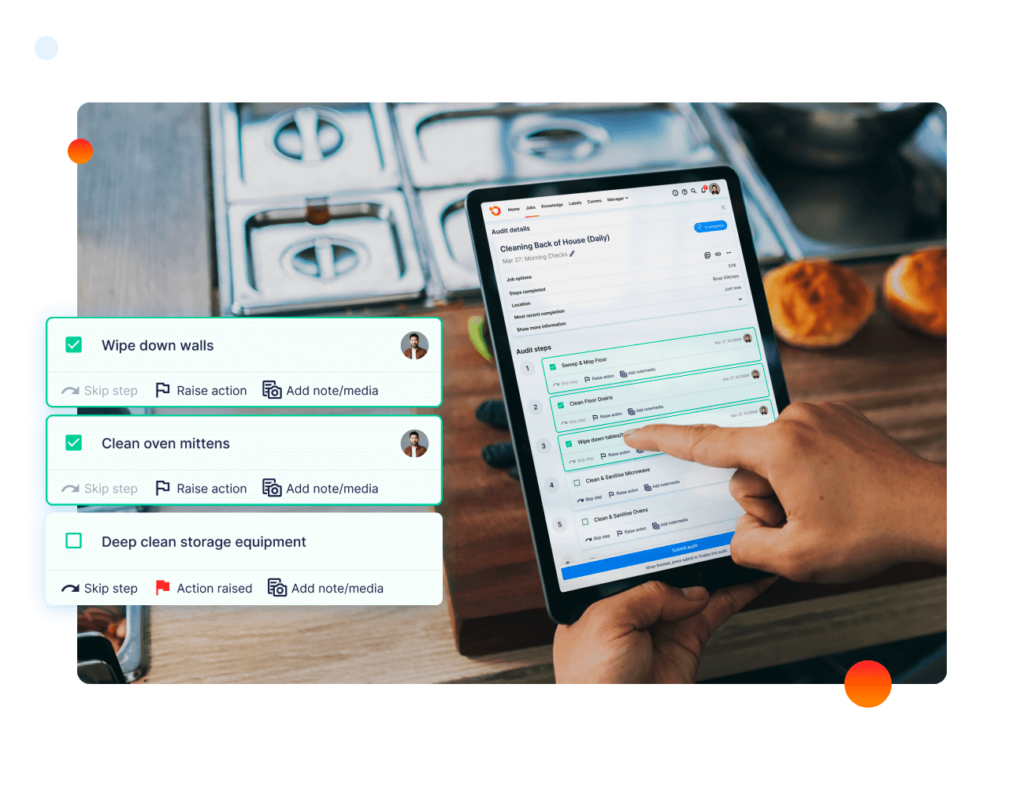
Real-time monitoring systems notify businesses about developing problems immediately. Temperature sensors, sanitation tracking software, and automated compliance checklists catch deviations before they become violations. This early warning capability allows managers to fix issues within hours instead of discovering problems during quarterly inspections.
What specific penalties can proper compliance help avoid?
Consider these real-world examples of avoidable penalties:
- A restaurant chain paid $4.2 million in fines after failing to maintain proper allergen controls, resulting in undeclared allergens in their menu items.
- A food manufacturing facility faced $1 million in penalties for repeatedly violating sanitation standards, leading to contaminated products being shipped to retailers.
- A catering company incurred $250,000 in fines due to improper storage practices that caused foodborne illness outbreaks among event attendees.
By implementing effective food safety compliance measures with the help of professional services, businesses can significantly reduce the risk of facing such costly fines and legal penalties.
How Compliance Services Reduce the Risk of Foodborne Illnesses and Recalls
Compliance services directly reduce foodborne illness risks by implementing systematic controls that prevent contamination at every stage of food production and handling. These services establish critical control points, monitor temperature logs, verify sanitation procedures, and ensure proper employee hygiene protocols—all barriers that stop pathogens before they reach consumers.
The Link Between Compliance and Contamination Prevention
Food safety compliance programs create multiple layers of protection through standardized procedures. Regular testing of surfaces, equipment, and products catches potential hazards early. Proper documentation systems track ingredients from suppliers through production, enabling quick identification of contamination sources. When businesses follow HACCP principles and FDA guidelines under expert guidance, they eliminate the conditions where bacteria like Salmonella, E. coli, and Listeria thrive.
The Financial Impact of Product Recalls
The cost of a single recall extends far beyond retrieving products from shelves:
- Direct recall expenses: Logistics, disposal, and replacement costs averaging $10 million per incident
- Lost sales: Immediate revenue drops of 20-30% that can persist for months
- Legal settlements: Class-action lawsuits from affected consumers reaching millions
- Regulatory investigations: Additional inspections, testing requirements, and potential facility closures
- Brand recovery: Marketing campaigns to rebuild consumer confidence
A 2023 outbreak linked to contaminated lettuce cost one producer over $50 million in recall expenses and lost contracts. Small to mid-sized businesses often cannot survive such financial shocks, with 55% closing within three years of a major recall.
How Ongoing Monitoring Creates a Safety Net
Continuous risk management through compliance services catches problems before they escalate into public health crises. Daily monitoring activities include:
- Real-time temperature tracking in storage and transport
- Microbiological testing schedules for high-risk products
- Supplier verification audits to ensure ingredient safety
- Equipment calibration checks to maintain processing standards
- Environmental monitoring for potential cross-contamination zones
This vigilant approach to foodborne illness prevention means issues get corrected during routine checks rather than discovered after products reach consumers. Digital compliance platforms now provide instant alerts when parameters drift outside safe ranges
How Compliance Services Save Time and Money
Food safety compliance services eliminate inefficiencies by consolidating documentation, tracking, and reporting into unified platforms. These centralized management tools replace scattered spreadsheets and paper-based systems, giving teams instant access to audit histories, corrective action plans, and compliance status across all locations.
Automating Routine Tasks
Digital platforms automate routine tasks that previously consumed hours of manual labor. Temperature logs, sanitation checklists, and supplier verification documents populate automatically, reducing data entry time by up to 70%. Staff can focus on value-adding activities rather than administrative paperwork.
Continuous Audit Readiness
Audit readiness becomes a continuous state rather than a frantic scramble. Compliance services maintain real-time documentation that inspectors can review immediately, cutting audit preparation time from weeks to days. Businesses avoid the costly practice of pulling employees from their regular duties for last-minute compliance checks. Implementing effective audit readiness tips can further streamline this process.
Proactive Violation Prevention
The technology identifies gaps before they become violations. Automated alerts notify managers when certifications near expiration, when temperature deviations occur, or when corrective actions remain incomplete. This proactive approach prevents the operational disruptions that follow surprise inspection failures.
Efficient Training Management
Process efficiency extends to training management. Compliance platforms track employee certifications, schedule refresher courses, and document competency assessments automatically. Food establishments no longer risk operating with improperly trained staff or scrambling to prove training compliance during inspections.
Predicting Compliance Needs
Resource allocation improves dramatically when businesses can predict compliance needs. Historical data reveals patterns in non-conformances, allowing managers to deploy staff and budget where they’ll have the greatest impact. A bakery might discover most violations occur during shift changes, prompting targeted supervision during those hours rather than blanket monitoring.
Reducing Labor Costs
Labor costs decrease as teams work smarter. One food safety manager using compliance software can oversee multiple locations effectively, whereas manual systems might require dedicated staff at each site. The software handles routine monitoring, freeing specialists to address complex food safety challenges that truly require human expertise.
Streamlining Vendor Management
Vendor management becomes less time-intensive through centralized supplier approval workflows. Compliance services track certificates of insurance, allergen statements, and third-party audit results for every ingredient source. Purchasing teams verify supplier compliance with a few clicks instead of chasing down paperwork through email chains.
The financial impact compounds over time. A mid-sized food manufacturer reported saving 15 hours…
What Role Does Food Safety Compliance Play in Enhancing Customer Trust and Business Reputation?
Building Customer Trust
Food safety compliance directly builds customer trust by demonstrating a commitment to protecting consumer health. When businesses consistently meet regulatory standards, customers feel confident purchasing and consuming their products. This confidence translates into repeat purchases and brand loyalty, creating a stable revenue stream that protects against market volatility.
Ensuring Safe Product Labeling
Safe product labeling serves as a visible promise to consumers about what they’re buying. Accurate allergen information, ingredient lists, and handling instructions prevent adverse reactions and build credibility. A single mislabeling incident can erode years of trust, while consistent accuracy reinforces a company’s reliability in the eyes of both consumers and retailers.
Enhancing Brand Reputation
The financial impact of brand reputation extends far beyond immediate sales. Companies known for rigorous food safety standards command premium pricing and secure better shelf placement in retail environments. They also attract partnerships with major distributors who prioritize working with low-risk suppliers.
Consumer behavior studies show that 75% of shoppers actively avoid brands after learning about food safety violations. The cost of regaining lost customers far exceeds the investment in maintaining compliance. Marketing campaigns cannot effectively rebuild trust that safety incidents destroy.
Managing Social Media Impact
Social media amplifies both positive and negative food safety news instantly. A single contamination event can generate millions of impressions within hours, damaging reputation across multiple markets simultaneously. Proactive compliance creates positive stories about safety certifications and quality standards that businesses can leverage in their marketing.
Reducing Insurance Costs
Insurance premiums reflect a company’s safety track record. Businesses with strong compliance histories negotiate lower rates for product liability coverage, while those with violations face increased costs or coverage denials. This difference compounds annually, representing substantial savings over time.
Meeting Retail Requirements
Retail partners increasingly require documented food safety programs before agreeing to carry products. Major chains conduct supplier audits and demand proof of compliance certifications. Companies without robust safety systems lose access to lucrative distribution channels, limiting growth potential and market reach.
Boosting Employee Morale
Employee morale and retention improve when workers see their employer prioritizing safety. Staff members take pride in producing safe products and are more likely to report potential issues before they escalate. This culture of safety reduces turnover costs and maintains institutional knowledge about proper procedures.
How Investing in Food Safety Compliance Supports Long-Term Business Sustainability
Food safety compliance is crucial for business sustainability as it sets up systems that safeguard revenue and ensure smooth operations. When companies prioritize compliance, they face fewer interruptions, stick to production schedules, and avoid costly emergency responses to violations.
Proactive Measures for Sustained Profitability
Proactive compliance shifts food safety from being a cost burden to a profit protection strategy. Businesses that adopt comprehensive compliance programs can expect to cut unexpected expenses by 40-60% compared to reactive methods. Here’s how the investment in regular audits, staff training, and monitoring systems pays off:
- No more emergency shutdown costs
- Lower insurance premiums due to reduced risk
- Legal expenses decrease as violations are prevented
- Steady production without losses from interruptions
Companies with strong compliance records also have an advantage when negotiating with suppliers and distributors who prefer working with partners known for their safety practices. This increased bargaining power directly boosts profitability.
Reducing Long-Term Regulatory Risks
Risk reduction becomes a consistent practice when compliance services are integrated into daily operations. Regulations are constantly changing at federal, state, and local levels, with new requirements being introduced. Compliance services provide ongoing updates and strategies for adaptation that keep businesses up-to-date.
The financial benefits of maintaining compliance go beyond just avoiding individual penalties. Repeated violations can lead to escalating consequences such as mandatory third-party oversight, increased inspection frequency, and even license revocation. A single failure in compliance can create a lasting regulatory shadow that brings heightened scrutiny to all aspects of operations.
Businesses that have established compliance frameworks are able to adapt to new regulations 70% faster than their competitors who start from scratch. This agility prevents last-minute scrambling and rushed implementations that often result in expensive mistakes.
Strengthening Market Position and Operational Stability
To remain competitive in the market, it is increasingly important to have visible safety credentials. Major retailers and food service chains now require certification and compliance documentation before forming partnerships with vendors. Companies lacking robust compliance programs risk losing out on valuable contracts and distribution opportunities.
Operational stability comes from having predictable and well-documented processes established by compliance services. When staff members understand what is expected of them, equipment receives proper maintenance, and supply chains meet consistent standards, waste is reduced, efficiency improves, and cost savings become measurable across departments.
Furthermore, integrating ESG risk management into food safety compliance can enhance long-term sustainability efforts. By addressing environmental, social, and governance risks alongside food safety issues, businesses can further strengthen their market position while contributing positively to society and the environment.
Conclusion
How Food Safety Compliance Services Can Save You Money comes down to viewing compliance as a strategic investment rather than a regulatory burden. The financial benefits of compliance services extend far beyond avoiding penalties—they create a foundation for sustainable growth and profitability.
Businesses that prioritize comprehensive food safety programs position themselves to capture measurable returns. Every dollar invested in compliance services generates value through reduced waste, fewer operational disruptions, and enhanced market positioning. The food safety investment return manifests in multiple forms: lower insurance premiums, decreased liability exposure, and improved operational efficiency.
The cost of inaction far exceeds the investment in proper compliance infrastructure. A single recall can cost millions, while consistent safety violations erode customer loyalty and market share. Compliance services provide the framework to prevent these scenarios before they materialize.
Key areas where compliance services deliver tangible savings:
- Prevention of regulatory fines and legal fees
- Elimination of recall-related expenses
- Reduction in product waste and contamination losses
- Optimization of audit preparation time
- Protection of brand equity and customer relationships
The competitive advantage gained through robust food safety practices cannot be overstated. Retailers and distributors increasingly demand proof of compliance before establishing partnerships. Certification and documented safety records open doors to premium markets and higher-value contracts.
Investing in food safety compliance services represents a commitment to excellence that pays dividends across every aspect of operations. The question isn’t whether your business can afford these services—it’s whether you can afford to operate without them. Protecting your profits while ensuring sustainable growth requires the expertise, tools, and proactive approach that professional compliance services provide.
Related: The Future of Kitchens: Implementing Food Safety Software Solutions